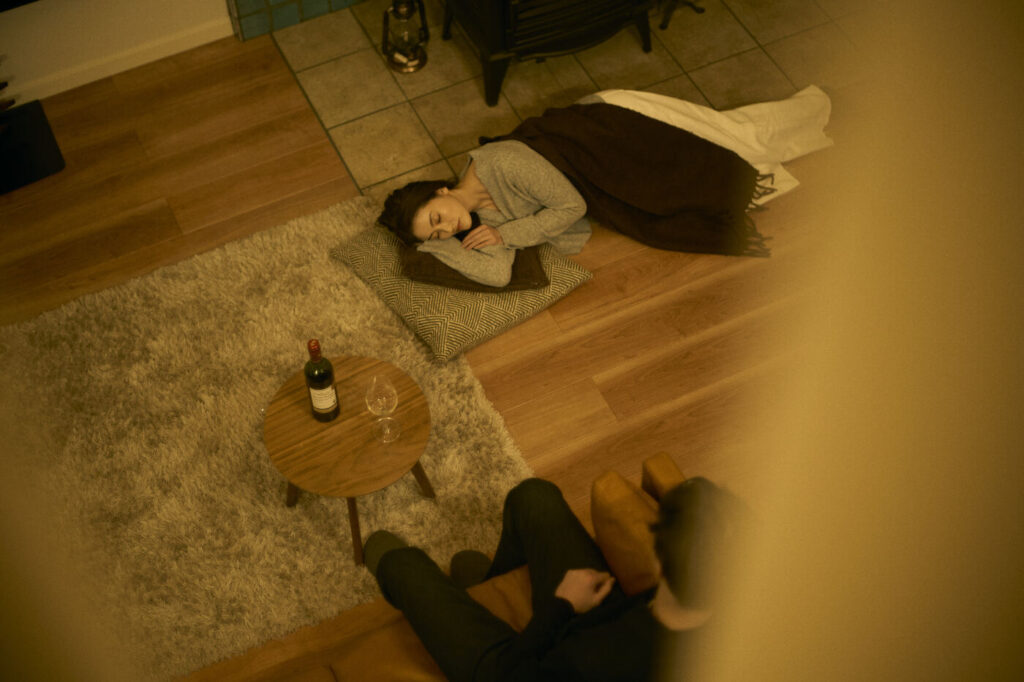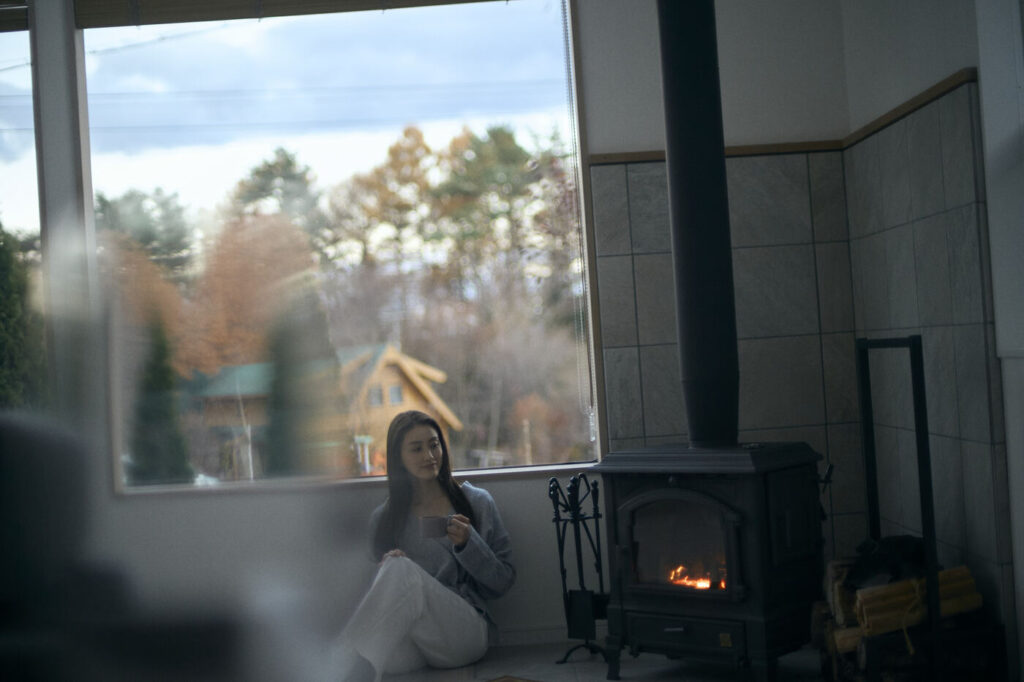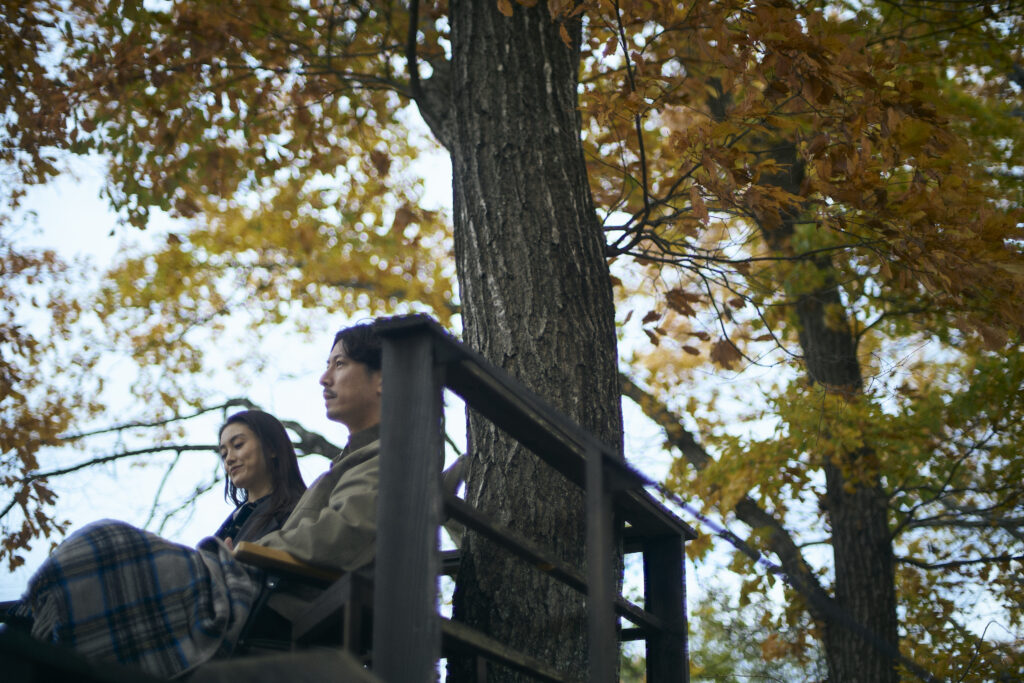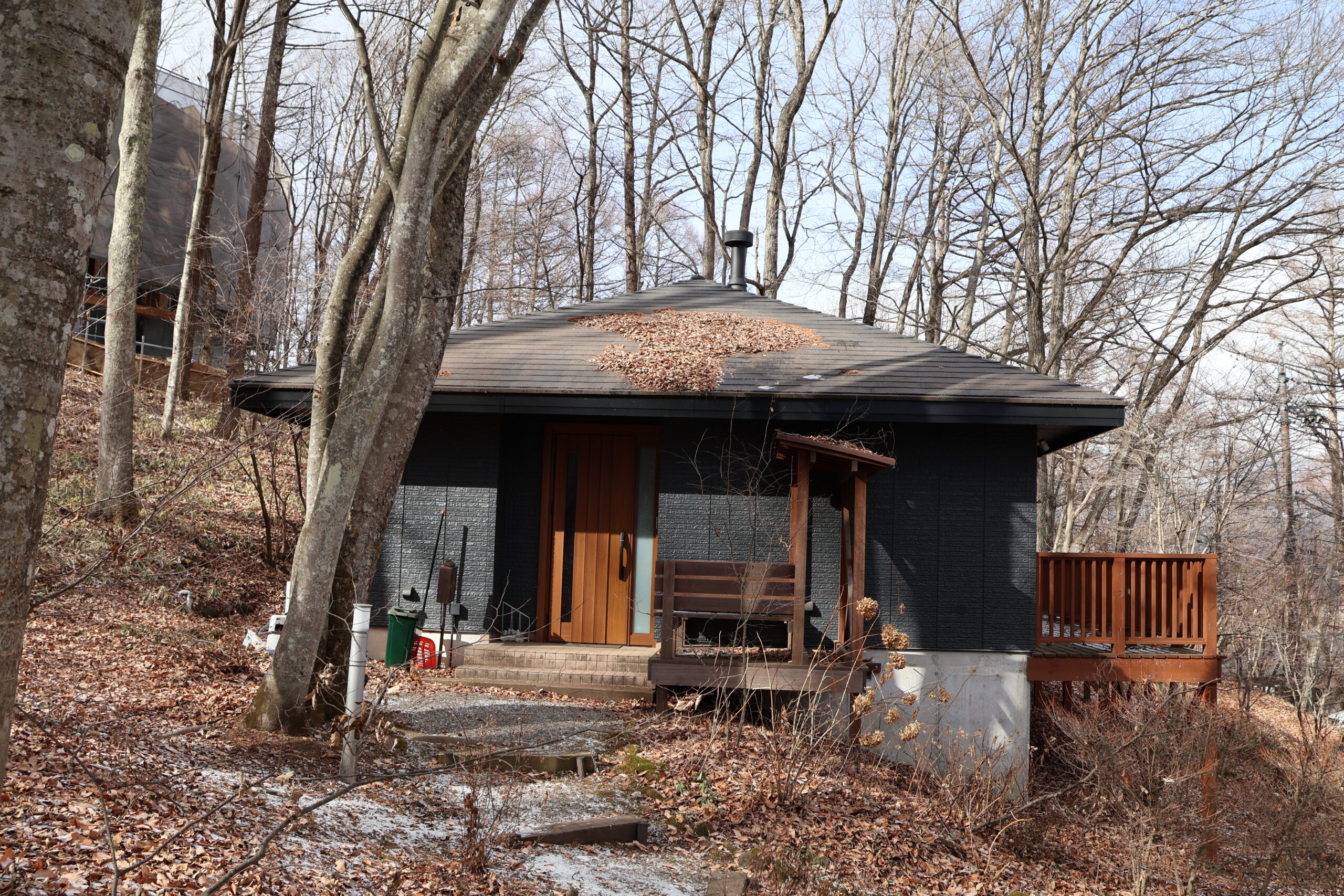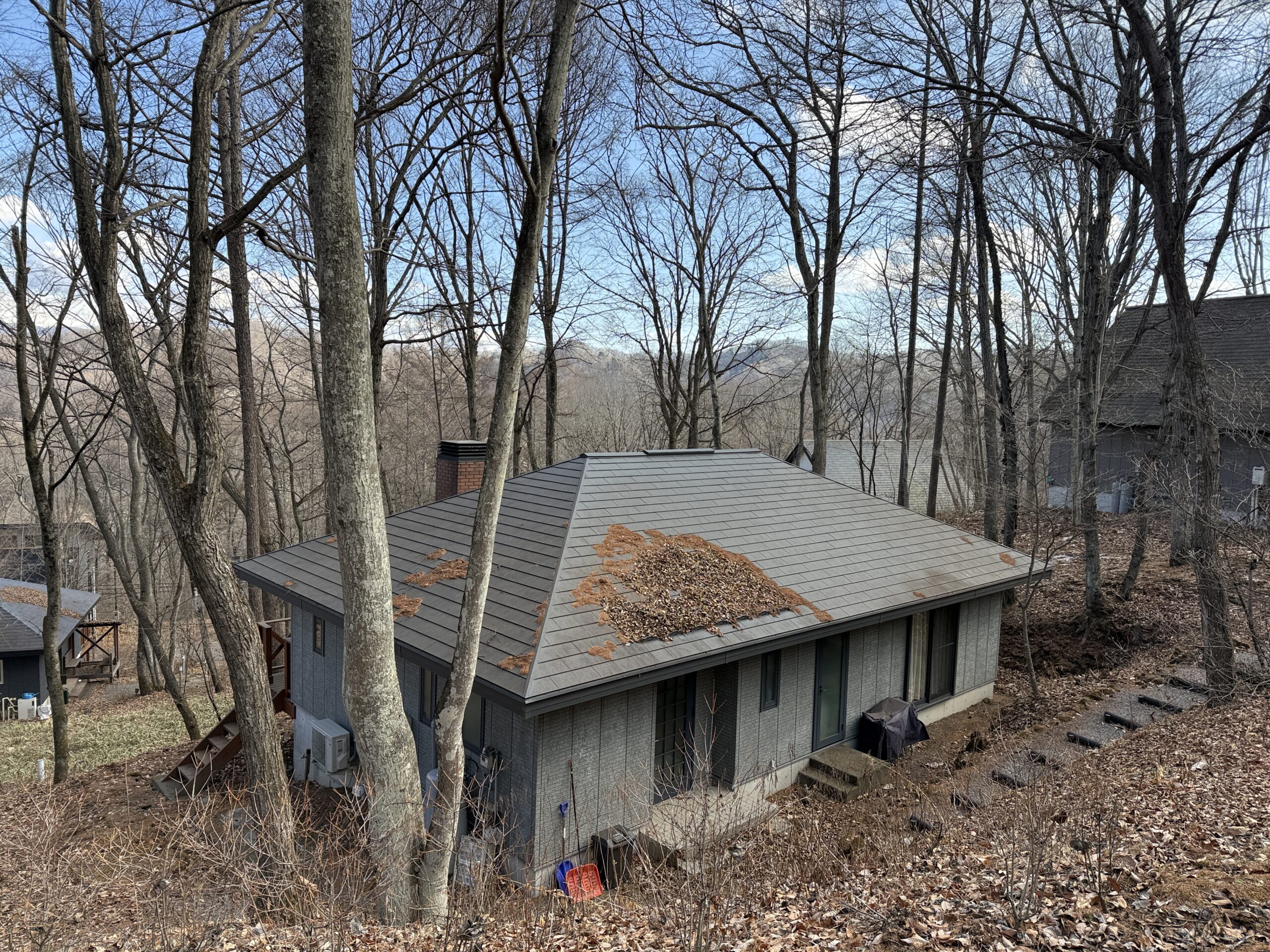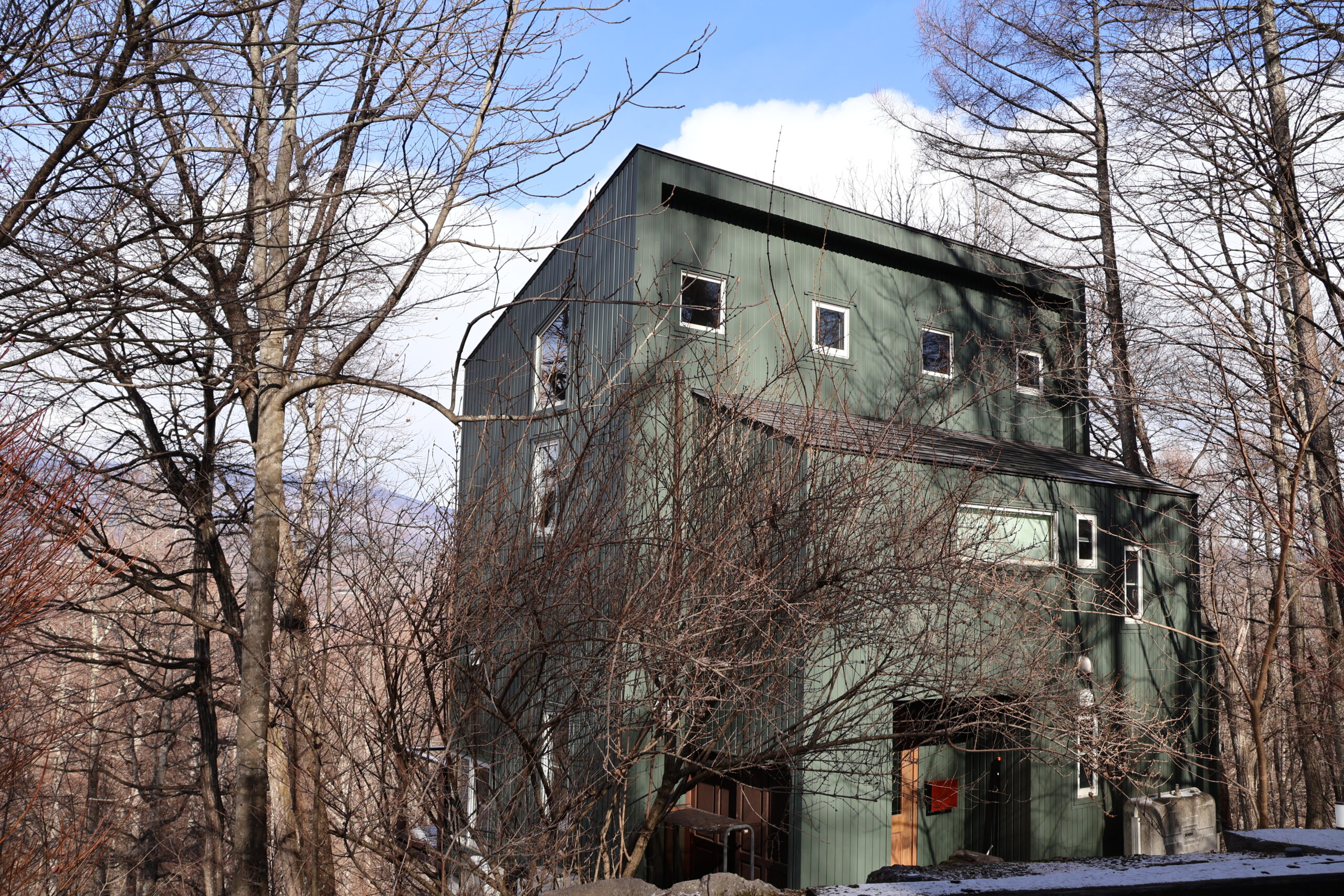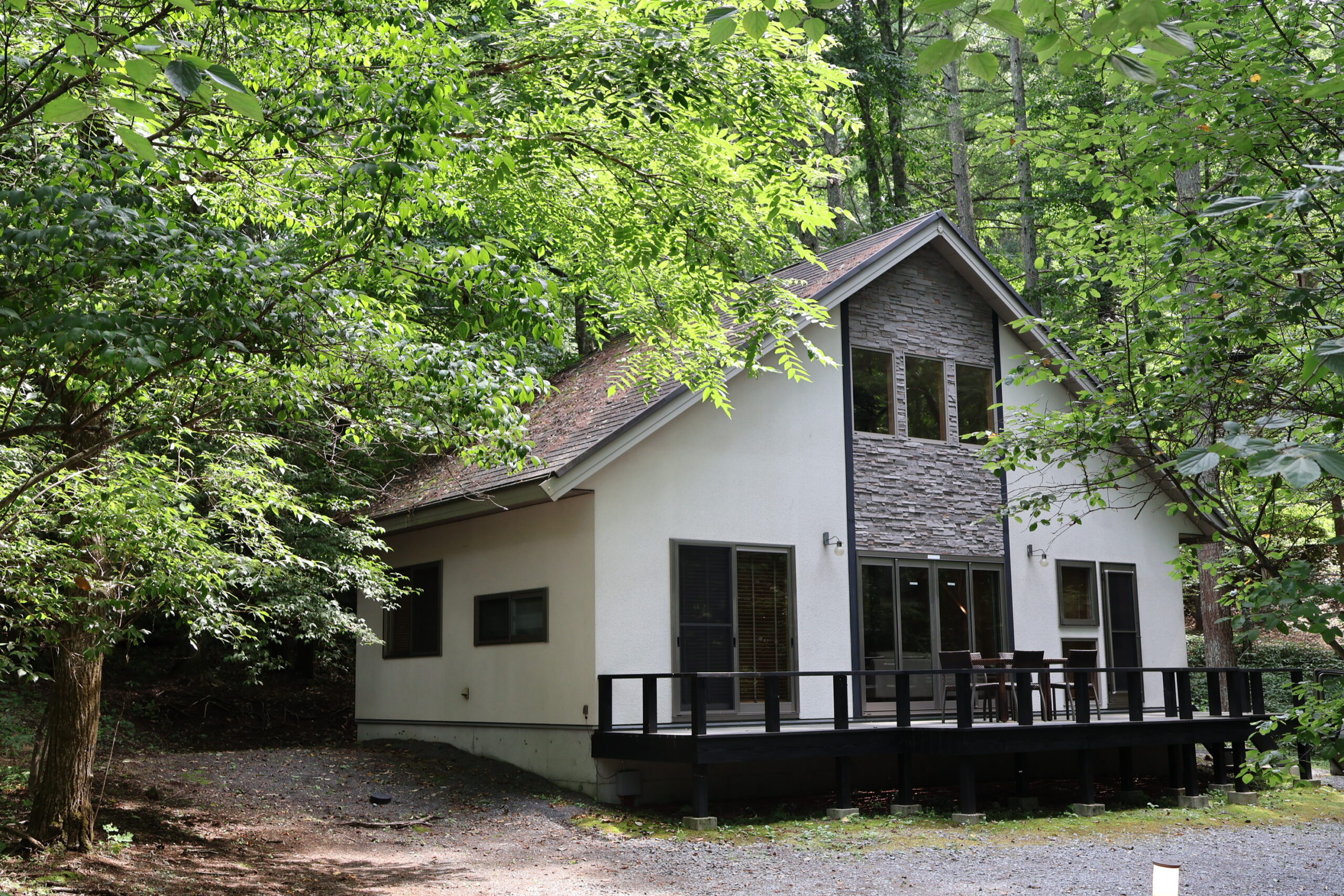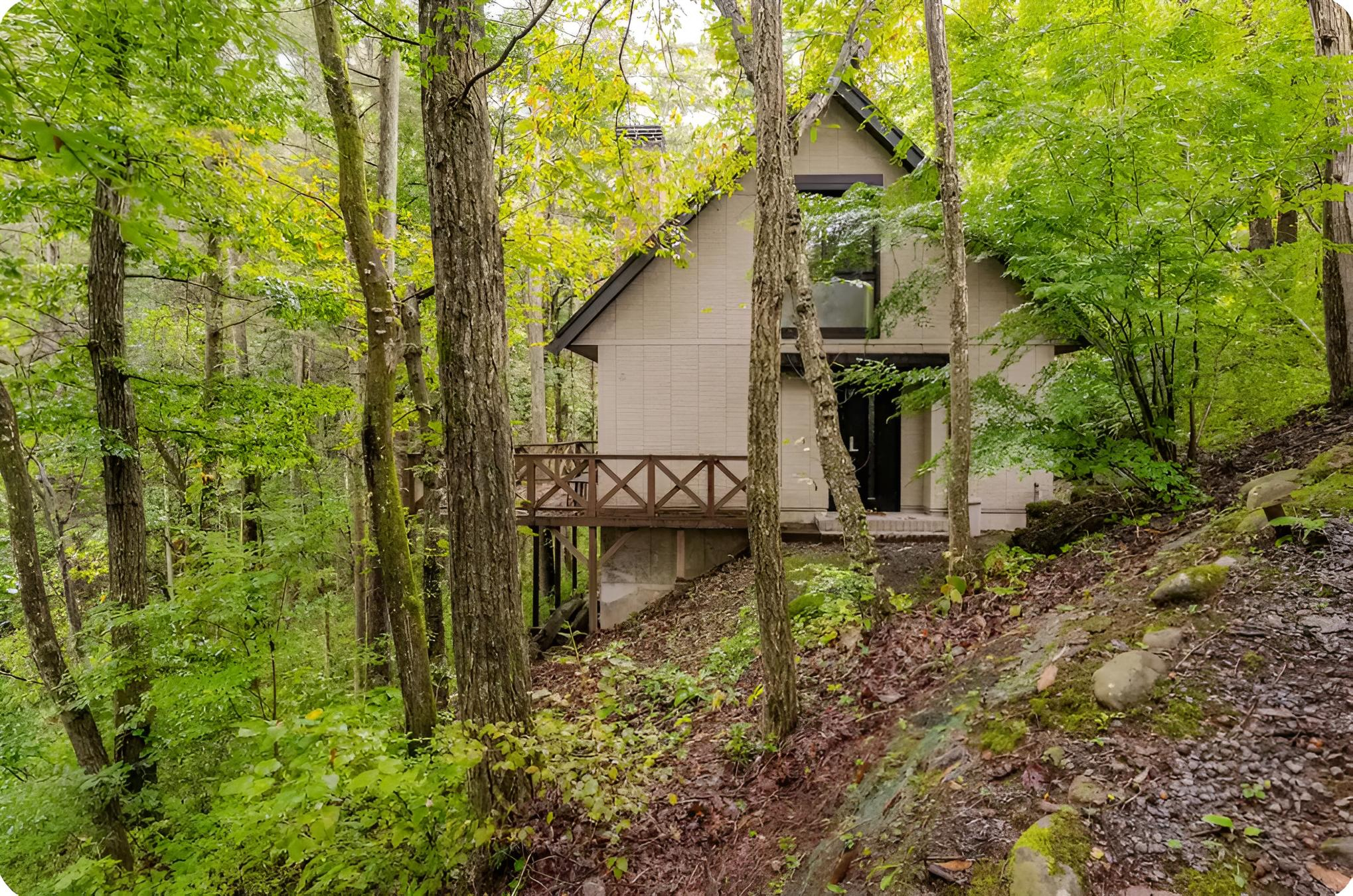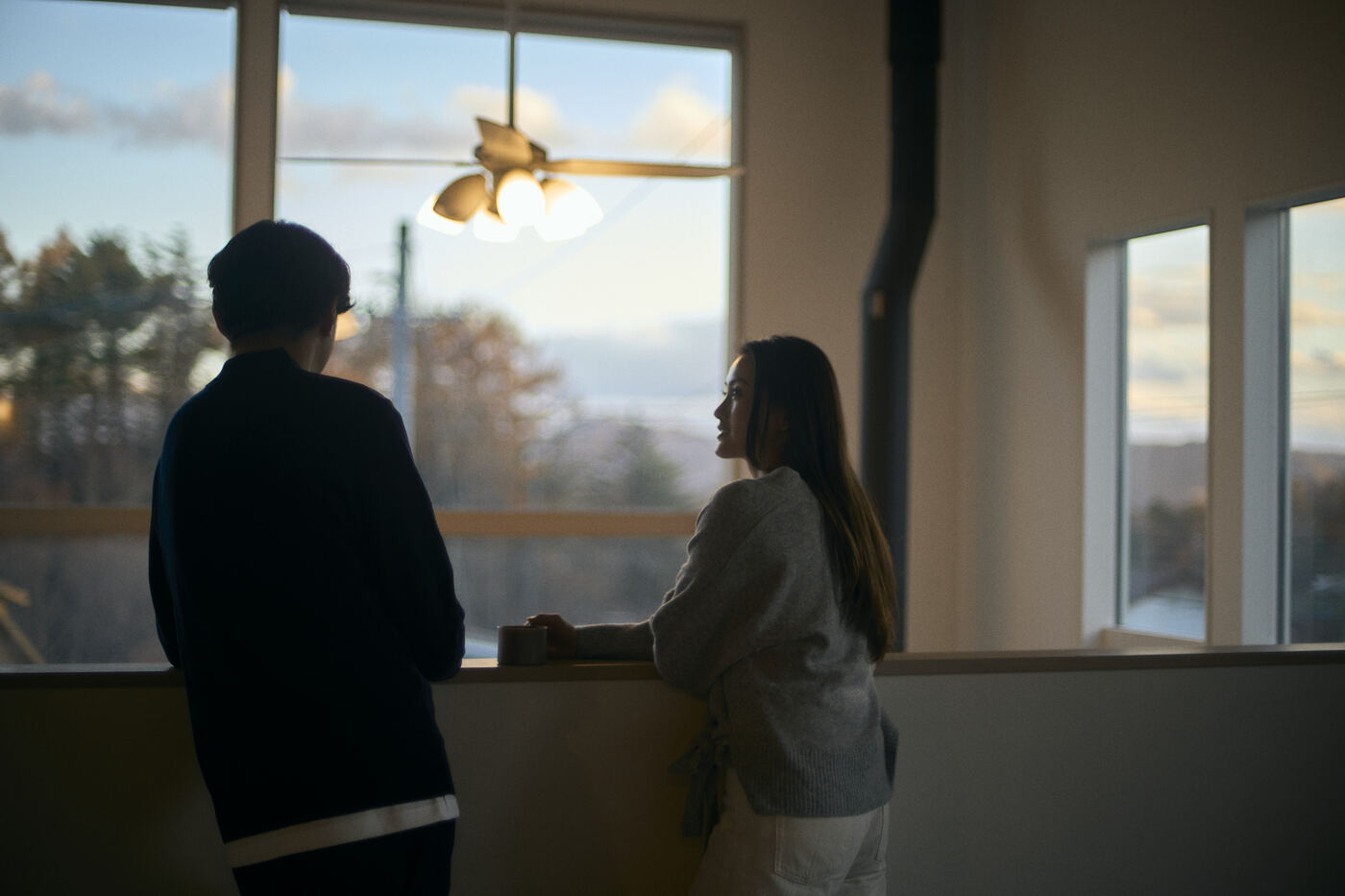
In the afternoon, it is permissible to let go of purpose. The morning’s tension dissolves, leaving an unnamed space, still far from the evening’s promises. In this town, afternoons have long been cherished—not as a time to “do,” but as a quiet acceptance of choosing to do nothing at all.
The light filtering through the Harunire windows is no longer sharp; it gently traces the contours of the furniture. Sitting on the elevated deck of OHK D-9, shielded from outside gazes, I watch the sky until each restless thought completes its duty and falls silent.
Perhaps those who first built villas in Karuizawa sought more than just an escape from the heat; they were people who valued what remains after the busyness fades. Unlike today, where information is a single click away, they faced days of relentless decisions, overlapping thoughts, and mountains of paperwork… In an afternoon detached from the everyday, one needs time where nothing is decided.
Nature understands well how to use silence. The sound of the wind, the distant call of a bird, the slight rustle of swaying trees. Even without intent, these elements slowly realign the inner self.
The slope leading from R-villa Harunire to the Highland Church in the early morning; the promenade along the Yukawa River; the healing waters enjoyed while admiring the changing seasons. While the bustle of a tourist destination is close by, a quiet afternoon is kept sacred at its side. Convenience and distance. Liveliness and stillness. The air of this town is woven from time that denies neither, allowing both to coexist.
At café and interior L, near OHK D-9, an afternoon of doing nothing is not “stopped time.” Watching time flow through the grand windows, you dive deep into yourself. In this place where time drifts, thoughts unravel, senses return, and your own silhouette softly blurs at the edges.
As the sun begins to tilt, it is a time to meet a self fulfilled by the richness of having done nothing. Such a way of being—that is the true “Afternoon of Doing Nothing.”